


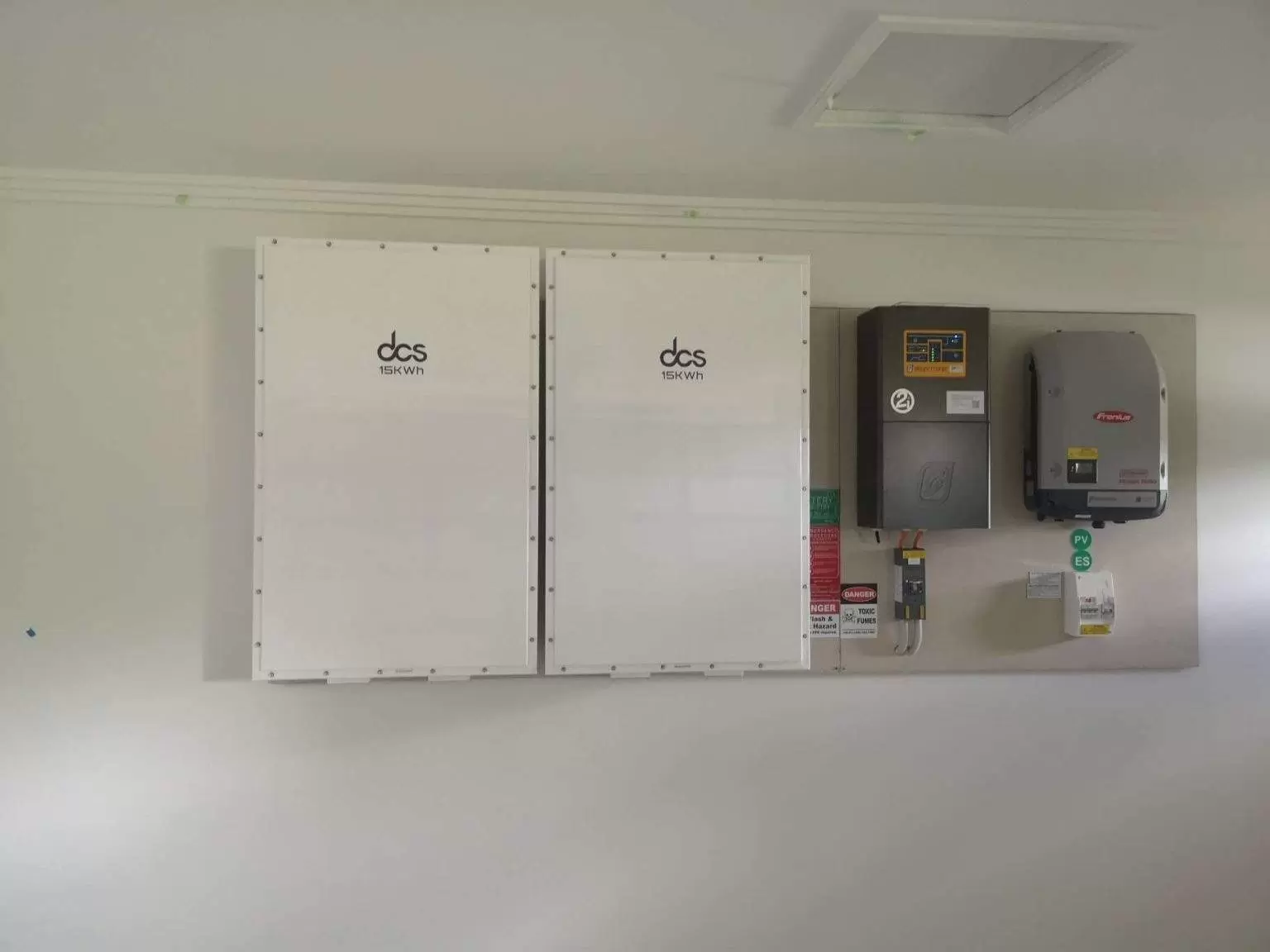

Are you tired of constantly replacing your old lead-acid batteries for your caravan or boat? Look no further because mastering the 12 Volt Lithium Battery Deep Cycle is the solution you’ve been searching for. With its longer lifespan, lighter weight, and superior performance, the switch to lithium batteries has become increasingly popular among caravan and boat enthusiasts. In this how-to guide, we will take you through the step-by-step process of understanding and utilising the 12-Volt Lithium Battery Deep Cycle. Say goodbye to frequent battery replacements and hello to a more efficient and reliable power source for all your adventures
Understanding the Basics of 12-Volt Lithium Batteries
Delving into the fundamentals of 12-volt Lithium Batteries is essential for anyone looking to harness their potential. At their core, these batteries leverage lithium-ion technology, renowned for its high energy density compared to traditional lead-acid counterparts. Lithium batteries can store more power for a given volume or weight, making them an ideal choice for applications where size and weight are critical considerations.
A 12-volt Lithium Battery moves lithium ions between the anode and cathode during both charging and discharging cycles. This movement generates electrical power used to operate various devices and systems. One of the key features of lithium-ion batteries is their low self-discharge rate, which ensures they retain their charge for longer periods when not in use.
Unlike lead-acid batteries, 12-volt lithium batteries do not require regular maintenance to keep their performance optimal. However, it’s crucial to understand that they demand specific charging protocols to maintain their integrity and prevent damage. Understanding these basics provides a foundation for effectively utilising and benefiting from the advanced technology encapsulated in 12-volt Lithium Batteries.
The Anatomy of a 12-Volt Lithium Battery Deep Cycle
Exploring the internal structure of a 12-volt Lithium Battery deep cycle reveals a sophisticated assembly of lithium cells arranged in series to achieve the necessary voltage.
Each cell comprises a cathode and an anode, the two electrodes separated by an electrolyte that facilitates the flow of ions and a separator to prevent short circuits. These components are encased within a sturdy outer shell designed to withstand the rigours of deep cycling. This detailed arrangement is fundamental to the battery’s ability to deliver consistent power output over extended periods, highlighting the engineering precision behind these power sources.
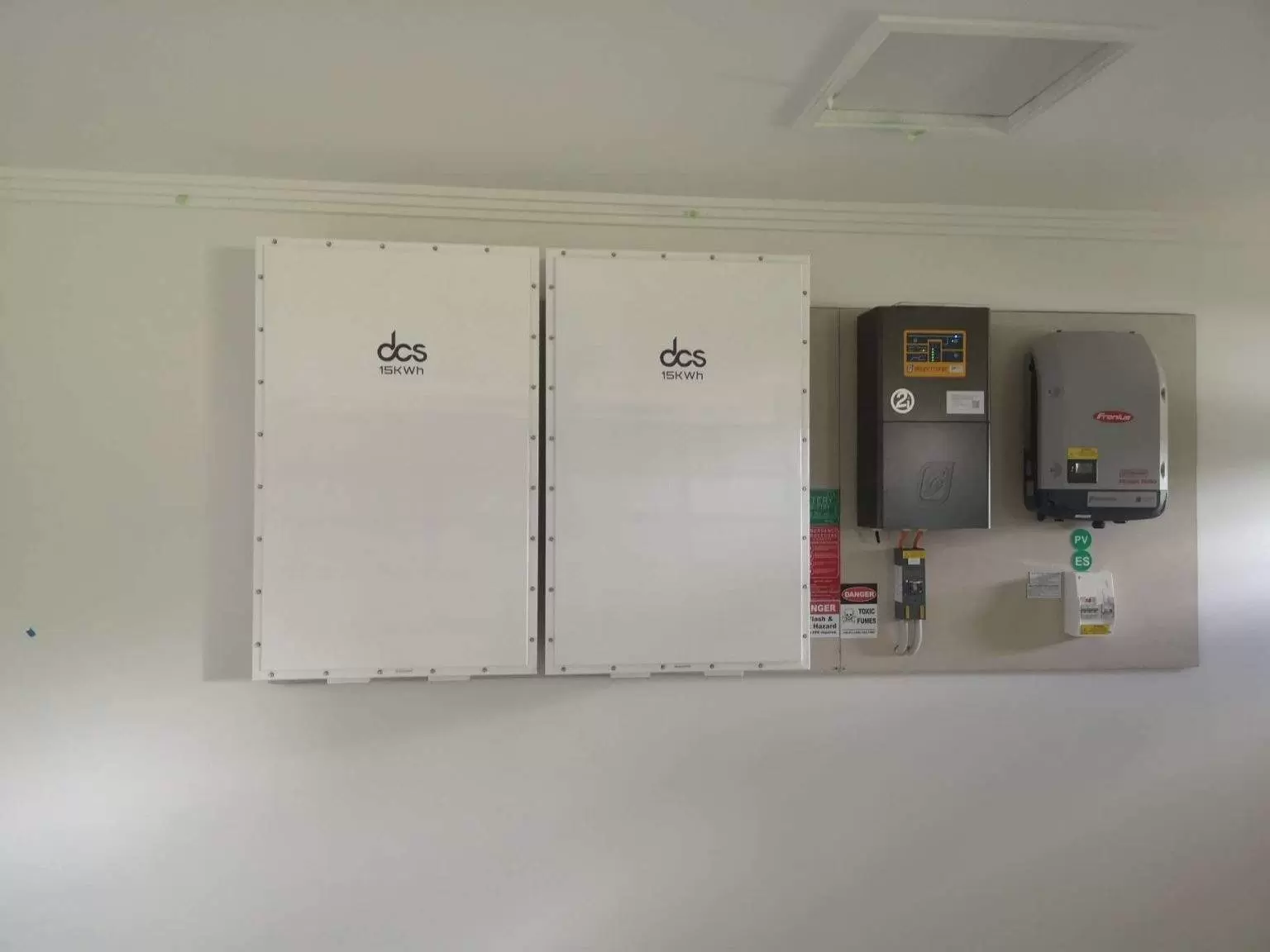 Why Choose a 12v Lithium Deep Cycle Battery?
Opting for a 12v Lithium Deep-Cycle Battery offers many advantages that are hard to overlook. Lithium-ion technology’s superior energy density means these batteries offer more power in a lighter and more compact form, crucial for applications where space and weight are at a premium.
Their impressive longevity outpaces traditional lead-acid batteries, ensuring a more cost-effective solution. The ability to sustain numerous deep discharge cycles without significant degradation enhances their appeal, especially for systems that require reliable and consistent power.
The minimal maintenance requirements also free users from the regular upkeep associated with lead-acid batteries, providing further convenience and efficiency. Lithium batteries also exhibit a much lower self-discharge rate, meaning they retain their charge longer when inactive, a vital feature for seasonal applications. With these compelling benefits, it becomes clear why a 12v Lithium Deep Cycle Battery is preferable for anyone seeking to upgrade their power storage solutions.
Applications for 12v Lithium Ion Battery Deep Cycle
The versatility of 12v Lithium Ion Battery Deep Cycle in applications spans numerous fields, making them a prime choice for powering recreational vehicles (RVs), marine vessels, golf carts, and off-grid solar power systems.
These batteries provide the necessary endurance for extended travel without the need for constant recharging in RVs and caravans. For marine applications, they ensure reliable power for onboard electronics, trolling motors, and auxiliary equipment.
Golf carts benefit from the extended play times and reduced weight, enhancing performance. Off-grid solar setups, particularly in remote locations, rely on these batteries’ exceptional energy density and efficiency to store surplus solar energy, ensuring a consistent power supply throughout. Their robustness and reliability underpin their widespread adoption in these demanding applications.
Installing Your 12-Volt Lithium Battery Deep Cycle
Correctly installing your 12-volt Lithium Battery deep cycle is pivotal for achieving optimal functionality. Begin by selecting a well-ventilated location to prevent overheating, ensuring it is shielded from direct sunlight and moisture. It is essential to mount the battery securely to avoid any movement that could lead to physical damage, especially in mobile applications such as motorhomes or boats.
Connect the battery following the manufacturer’s guidelines, paying close attention to the polarity to avoid short circuits. Utilise compatible cables and connectors to establish a secure connection and minimise the risk of power loss. Always ensure that the installation space allows for easy access for maintenance and inspection purposes.
Charging Guidelines for Optimal Performance
Adhering to precise charging protocols is paramount for preserving the integrity and extending the life of your 12 12-volt lithium Battery deep cycle. Utilise a compatible charger specifically designed for lithium batteries to ensure an efficient and safe charging process. Charging the battery within the voltage parameters recommended by the manufacturer to avoid damaging the cells is crucial.
Overcharging can lead to overheating and potentially hazardous conditions while undercharging might result in diminished performance and capacity over time. Regular, balanced charging cycles can significantly contribute to maintaining the battery’s health, ensuring it delivers optimal performance throughout its lifespan. Additionally, monitoring the battery’s temperature during charging can help detect anomalies early, preventing long-term damage.
Maximising the Lifespan of Your Sealed 12v Deep Cycle Battery
Regular maintenance is key to ensuring the longevity of your battery. Periodically inspect the battery’s terminals to keep them clean and corrosion-free. Ensure the Sealed 12v Deep Cycle Battery is stored in a cool, dry location to avoid exposure to extreme temperatures, which can accelerate degradation.
It is also advisable to maintain a consistent charging routine and use a charger suited for lithium-ion batteries to prevent overcharging or undercharging. Balancing the battery’s cells using a battery management system (BMS) can enhance its lifespan, promoting uniform charge distribution. Lastly, avoid depleting the battery beyond its recommended Depth of Discharge (DoD), as doing so can significantly reduce its operational life.
Understanding the Depth of Discharge (DoD)
The Depth of Discharge (DoD) is a crucial metric for gauging how much of a battery’s capacity has been used. In simpler terms, it indicates the percentage of the battery that has been discharged relative to its overall capacity. For instance, if a 12-Volt Lithium Battery Deep Cycle is rated at 100 ampere-hours (Ah) and you’ve used 50 Ah, the DoD would be 50%.
Understanding and managing the DoD is vital for maintaining the health and longevity of your battery. Lithium batteries, including the 12 Volt Lithium variety, are generally capable of a deeper discharge than traditional lead-acid batteries without significant damage.
However, regularly discharging to a low DoD can still affect their operational life. It is recommended not to routinely exhaust the battery below 20% of its capacity. Keeping the DoD within an optimal range not only prolongs the battery’s life but also ensures it operates at peak efficiency. It’s important to note that the precise recommendations for maximum DoD can vary between manufacturers and should be adhered to according to the provided guidelines.
Safety Precautions and Handling
Safety must be prioritised when handling a 12-volt Lithium Battery to prevent accidents and ensure its longevity. Always wear protective gear, such as gloves and safety glasses, to protect against accidental spills or splashes during handling.
Be mindful of the environment in which you operate the battery; it should be kept away from open flames or ignition sources, as lithium batteries can catch fire under extreme conditions. Ensure the battery is not subjected to physical damage, as punctures or deep scratches can compromise its integrity and cause leaks or fires. When installing or removing the battery, handle it carefully to avoid dropping or striking it against hard surfaces.
Also, never attempt dismantling or modifying the battery, as this can lead to dangerous chemical reactions. In case of a battery leak, avoid contact with the substance and ventilate the area immediately. For disposal or recycling, follow local regulations and guidelines to handle the battery responsibly. Adhering to these precautions will significantly minimise the risk of accidents and enhance the safe use of your 12-Volt Lithium Battery Deep Cycle.
Troubleshooting Common Issues
Problems with your 12-Volt Lithium Battery Deep Cycle can be frustrating. If issues arise, such as diminished capacity or difficulty charging, initially consult the troubleshooting guide provided by the manufacturer.
Many common problems are easily correctable with step-by-step instructions. If the issue persists, contacting customer support for further assistance is advisable. They can offer specific advice or recommend professional servicing if necessary. Regular diagnostics can preempt potential problems, ensuring smooth operation.
Avoiding deep discharges beyond the recommended depth and providing a compatible charger can prevent many common issues from developing.
Recycling and End-of-Life Management
As the lifecycle of your 12-Volt Lithium Battery Deep Cycle concludes, engaging in responsible recycling practices becomes paramount.
Acknowledging the environmental implications of improper disposal and seeking out dedicated recycling schemes is imperative. Such programmes are increasingly accessible and are often facilitated by battery manufacturers or local waste management services.
Participating in these initiatives contributes to environmental conservation and supports the recovery of valuable materials, fostering a circular economy. Engage with your battery provider or local authorities to ascertain the most appropriate disposal route, ensuring your battery’s end-of-life is managed in an eco-conscious manner.
Innovations in Lithium Battery Technology
The landscape of lithium battery technology is witnessing rapid advancements, promising significant enhancements in energy storage, efficiency, and safety. Recent developments include improvements in electrode materials and electrolytes, which have led to increased energy density and reduced charging times. Innovations such as solid-state batteries offer higher capacity and greater durability, minimising the risks associated with liquid electrolytes.
Additionally, efforts are underway to integrate smarter battery management systems (BMS) to optimise performance and extend lifespan through precise monitoring and control. These technological strides are set to redefine the capabilities and applications of 12-Volt Lithium Battery Deep Cycle, making them more versatile and reliable for users.
Expert Tips for Maintaining 12 Volt Sealed Deep Cycle Battery
Maintaining a 12 Volt Sealed Deep Cycle Battery requires careful attention to ensure optimal performance and longevity. Regularly check the battery’s state of charge and avoid letting it fall below 20% capacity to prevent undue strain on its components. It’s also vital to keep the battery in a stable temperature environment, as extreme cold or heat can severely impact its efficiency and lifespan.
For those using their batteries in cyclic applications, such as in caravans or boats, ensuring that the charge cycles are consistent and do not fluctuate widely is crucial. Use a smart charger that can adapt to the battery’s needs, providing a gentle charge at the end of the cycle to avoid overcharging.
Keep the battery terminals clean and free from corrosion by occasionally wiping them with a clean cloth and applying a thin layer of dielectric grease. This prevents resistive heat losses and maintains optimal electrical conductivity. Finally, the battery casing should be periodically inspected for any signs of damage or wear, which could indicate potential issues. Following these expert tips will help preserve the health of your 12-volt Sealed Deep-Cycle Battery, ensuring it remains a reliable power source for your needs.
Preventing Overheating and Overcharging
Attention to detail during the charging process is crucial to safeguarding your 12-Volt Lithium Battery Deep Cycle against overheating and overcharging. Employ chargers with advanced safety mechanisms that automatically halt the charging once the optimal voltage is reached. This not only protects the battery but also ensures efficient energy use. Charging the battery in a well-ventilated area is equally important to effectively dissipate heat.
Employing a battery management system (BMS) can further mitigate risks by regulating temperature and voltage in real time. Adhering to these precautions can significantly reduce the likelihood of overheating and overcharging, contributing to the battery’s long-term stability and safety.
Legal and Regulatory Considerations
Navigating the legal and regulatory landscape is crucial to handling 12 Volt Lithium Batteries. Different jurisdictions may impose unique guidelines on the usage, transportation, and disposal of lithium batteries, reflecting concerns over safety and environmental impact. Compliance with these regulations is a matter of legal responsibility and an expression of commitment to environmental stewardship.
Users should consult local environmental agencies or governing bodies for the most current information on properly managing lithium batteries. This ensures adherence to best practices and contributes to the sustainable use of lithium technology in various applications.
Conclusion
By meticulously adhering to the comprehensive steps and expert advice provided throughout this guide, you can optimise the usage and care of your 12 volt lithium Battery Deep Cycle. The knowledge gained will enhance the efficiency and reliability of your power source and significantly contribute to its sustainable operation over time. Embrace these practices to enjoy uninterrupted power in your adventures and daily applications, all while safeguarding the longevity and performance of your investment.
FAQs
Q1: Can I use a standard lead-acid battery charger for my 12v lithium battery?
A1: No, using a charger specifically designed for lithium batteries is crucial to ensure safe and efficient charging. Standard lead-acid chargers may not comply with lithium batteries’ charging requirements and could cause damage.
Q2: How long does a 12v Lithium Deep Cycle Battery last?
A2: The lifespan of a 12v lithium battery typically ranges between 5 to 10 years, depending on usage patterns, the depth of discharge, and adherence to recommended charging practices.
Q3: Are 12v lithium batteries waterproof?
A3: While many 12v lithium batteries are designed to resist moisture and environmental factors, they are not entirely waterproof. It’s best to install them in a location that minimises exposure to water.
Q4: Can I connect multiple 12v lithium batteries in series or parallel?
A4: You can connect multiple batteries to increase voltage (series) or capacity (parallel). However, ensure all batteries are of the same type and age, and consult the manufacturer’s guidelines to avoid potential issues.
| Other Good Articles to Read |
| Blogs-Nation |
| Blogs-Peoples |
| Bryan Smith Blogs |
| Intellect Blogs |
| The Fault In Our Blogs |
| Blogs Eu |
| Oz Forums |
| Recruitment Blogs |
| Zet Blogs |
| Id Blogs |
| Blogs Tudiolegale |
| Blogs Map |
| Related Business Listings |
| Directory Submissions |
| Regional Directory |